Blog Article
Children's Homes
Why Design Matters in Children’s Homes
Smrithi Chandran
Founding Partner

At Chandran Hughes Architects, we believe that every child deserves to grow up in an environment that supports their safety, wellbeing, and sense of belonging. Why design matters in children’s homes goes far beyond aesthetics — architecture plays a crucial role in shaping the daily experiences, behaviours, and outcomes of the young people who live there.
A Place That Feels Like Home
Children entering care are often coping with trauma, disruption, or instability. The design of the spaces they move into has a direct influence on how safe, valued, and settled they feel. When thoughtfully designed, children’s homes can help reduce anxiety, support emotional regulation, and build positive routines.
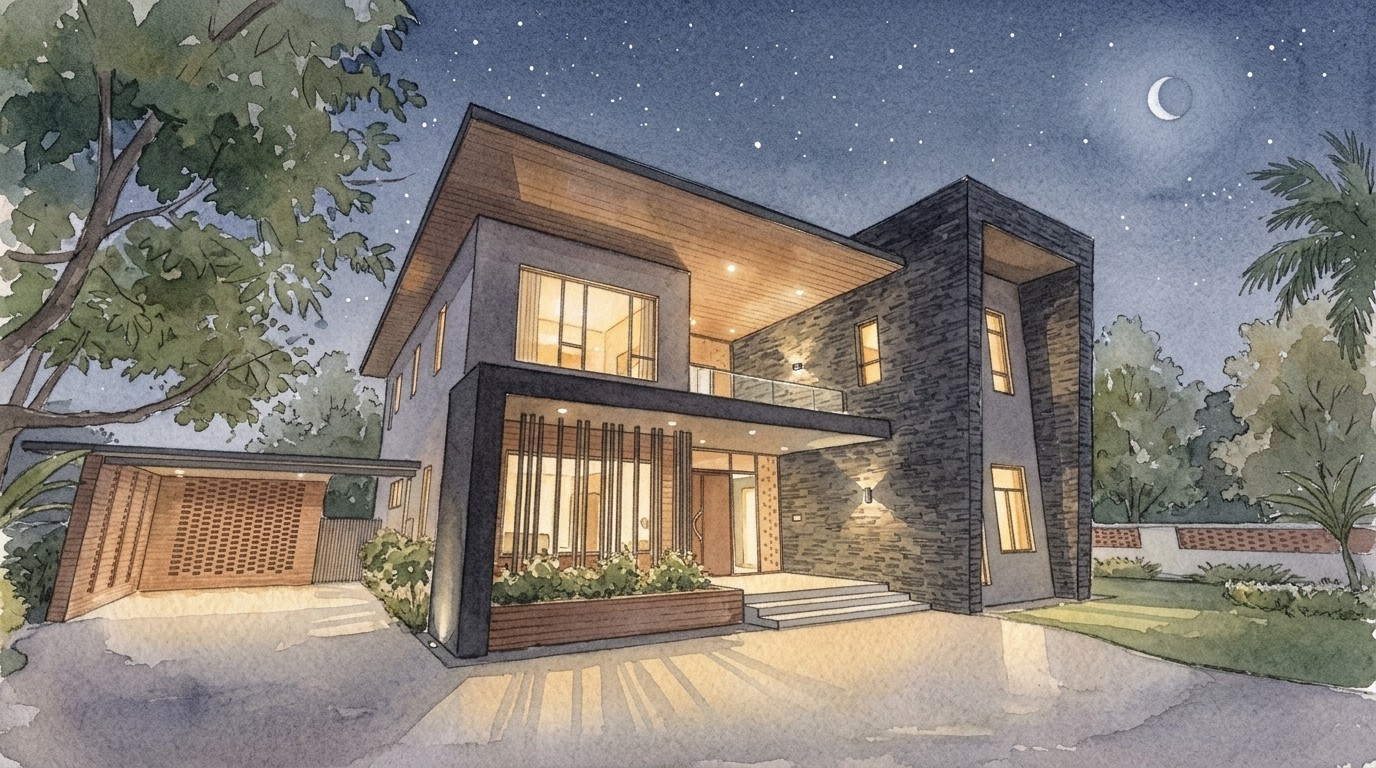
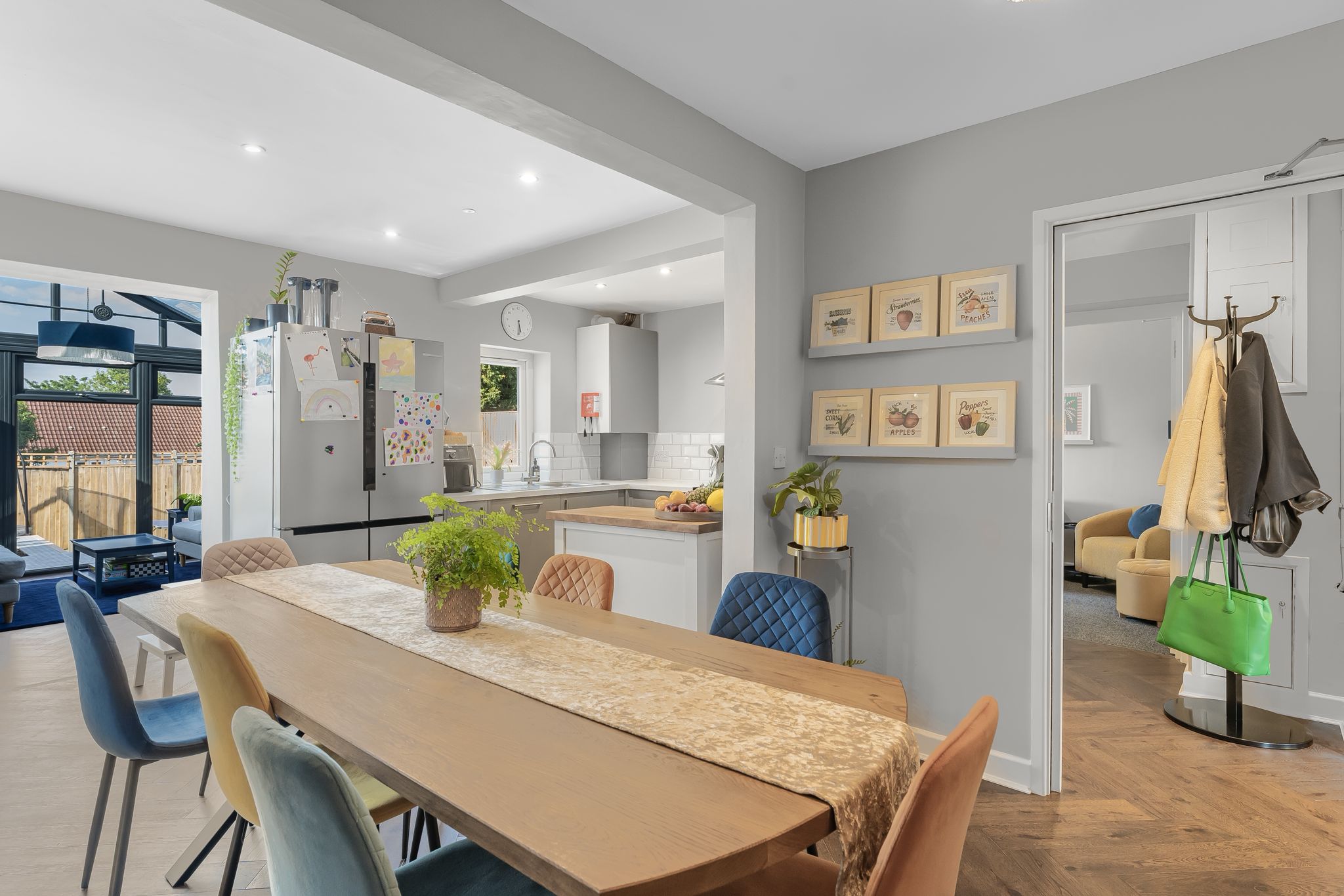
From the moment a child walks through the front door, the design should say: “you are safe here.” Soft lighting, warm textures, natural materials, and human-scale spaces help move away from an institutional feel and towards something more familiar - more like home.
Designing with Empathy
As architects, we don’t just design buildings - we listen. We work with providers and care staff to understand the needs of children in care, particularly those with emotional and behavioural difficulties (EBD), and we translate those needs into practical, thoughtful environments.
This could mean creating flexible zones for calm-down time, ensuring bedrooms offer both privacy and oversight, or incorporating subtle safeguarding features without making the space feel clinical or oppressive.
Why Architecture Is an Essential Part of the Care Equation
The role of the architect in designing children’s homes isn’t just about layout and aesthetics — it’s about shaping behaviour and supporting relationships. A well-planned home can:
· Reduce conflict by minimising pinch-points and stress triggers
· Support staff supervision while respecting children's privacy
· Offer positive sensory experiences that support mental health
· Provide adaptable spaces that grow with young people’s needs
When providers invest in well-designed spaces, they’re investing in environments that promote better care and more stable outcomes.
Creating Homes with Purpose
At Chandran Hughes Architects, we’re proud to bring a professional yet compassionate approach to this work. Whether we’re designing a small children’s home or adapting a property for semi-independent living, we tailor each project to meet the unique needs of the children and staff who will live and work there.
Book a call
Continue Exploring the Knowledge Hub